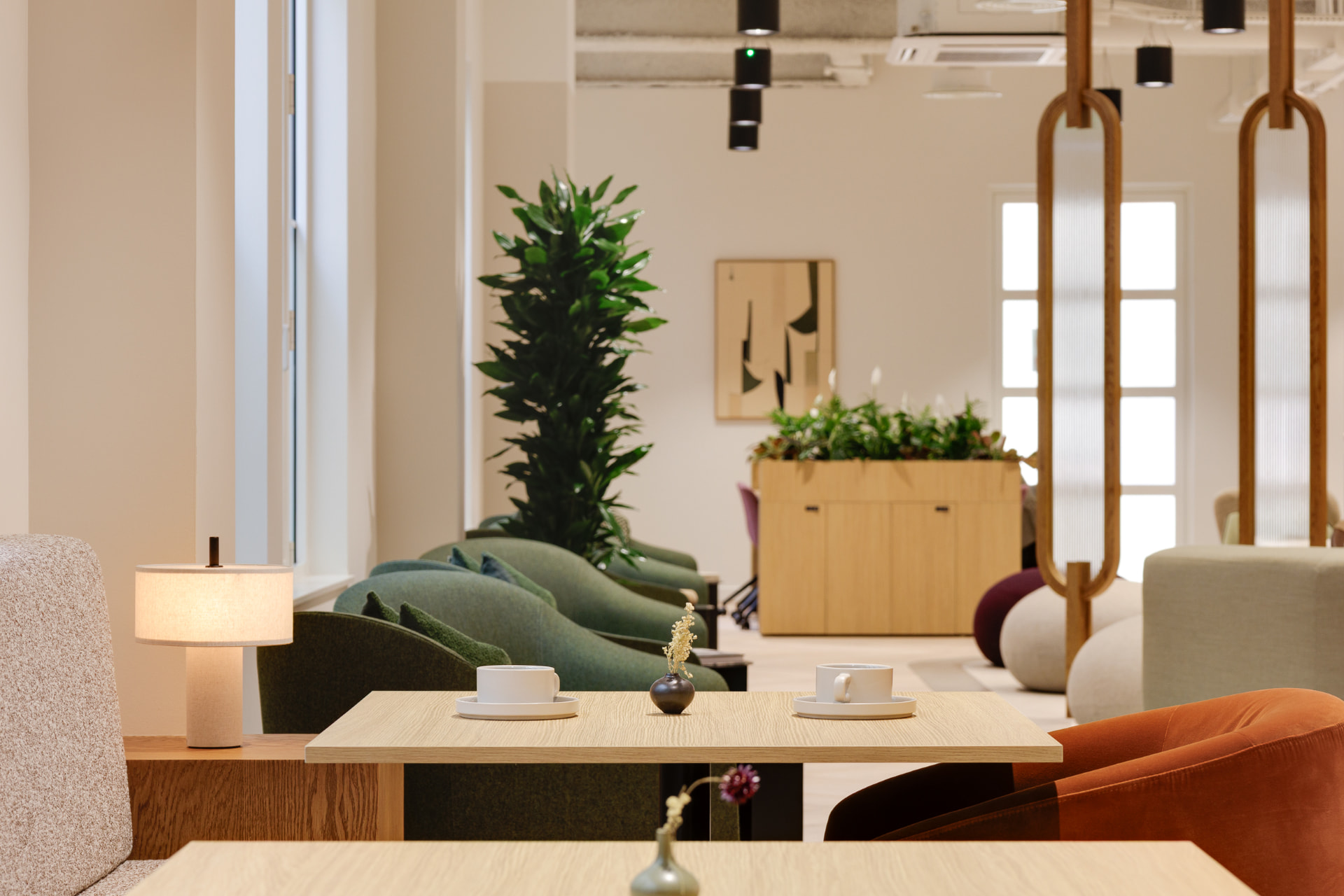
Your private office in London should give your team the right capacity, a location clients can reach easily, clear terms, dependable meeting space and service that handles daily details. We recommend viewing each option during a working day, then testing it against your headcount plan, client calendar and approval process.
Using a considered brief helps you compare offices on the details that affect the working week, from the walk from the station to the way a visitor is welcomed and a meeting room is prepared.
Key Takeaways
- Assess the route from station to reception, the arrival experience and nearby places your team and clients will genuinely use.
- Match desk capacity and meeting provision to planned headcount.
- Request a written schedule covering included services, responsibilities and charges outside the core agreement.
- Visit during normal working hours, meet the on-site team and ask how practical requests are handled.
Does The Location Work For Staff And Clients?
Strong central London locations make the working day easier when transport is straightforward, clients can find the building without difficulty and useful services sit within a short walk.
We suggest testing the route yourself. Leave the nearest station, follow the pavement a first-time visitor would use and note any confusing turns, busy crossings or awkward entrances. If step-free access matters for your team or guests, confirm the full route rather than relying on a map. Taxi drop-offs, deliveries and lift waiting times also shape how smoothly a day begins.
Client work should guide the area you choose. A professional services team may need quick access to courts, business districts or reliable restaurants for client meetings. A growing team may place more weight on connections across several rail and Underground lines, particularly when recruiting from different parts of London.
The building entrance matters as much as the postcode. Reception, clear wayfinding and visitor handling set the tone before a meeting begins. Autumn office planning often sits alongside next year's hiring and budget discussions, so consider whether the location will still suit your team's travel patterns in 12 months.
Can The Space Support Your Team's Next Move?
Choose a private office that fits your team comfortably now and gives you a clear route to grow without an unnecessary move. A private office in London should support the team you are building and accommodate the team you have today.
Start with a realistic headcount model. Include current desk users, approved hires, likely recruitment over the next 6 to 12 months and the number of colleagues who need dependable access on the same days. Named desks, occasional visitors and colleagues who come in for key meetings have different requirements.
During a viewing, bring someone who understands how the office runs day to day. Look closely at desk spacing, natural light, acoustic privacy, storage and the space available for a quick conversation without interrupting focused work. Rooms can look generous when empty, then feel very different once screens, bags and everyday work are in place.
Ask how expansion is managed before you need it. Available suite sizes, internal move options, notice requirements and the process for adding desks all deserve a clear answer. This gives you a useful basis for comparing a managed office with a conventional commercial lease.
What Should Be Included In A Private Office Agreement?
Your private office proposal should show exactly what the monthly agreement covers, how shared spaces are accessed and which services need separate approval. Headline desk rates rarely tell the whole operational story.
Bring the same one-page checklist to every viewing:
- Furniture, utilities, connectivity, cleaning and maintenance
- Reception support, visitor management and delivery handling
- Meeting room types, booking rules and peak-time availability
- Agreement length, deposit arrangements, renewal terms and break options
- Additional desk arrangements and services outside the core package
Meeting rooms deserve particular attention when clients visit regularly. Ask about room sizes, booking lead times, availability at busy periods and how larger meetings are managed. The right office should make a planned client meeting straightforward for your operations team.
Service matters as much as the room itself. A well-supported office can greet a client by name, direct them to the right space, receive a delivery, respond to a maintenance issue and prepare a room before an important conversation. When we discuss an office with prospective teams, we encourage them to meet the people who will be on site each day and ask how requests are logged and owned.
How Does Finlaison House Support Growing Teams?
At Finlaison House, we provide private office suites for teams of 18 to 119 desks at 15 to 17 Furnival Street, Holborn, moments from Chancery Lane. For professional services firms and scaling teams, the address can provide a central base for client meetings and day-to-day collaboration.
Our private offices offer an alternative to a commercial lease for teams that want a managed operational base. Concierge support, meeting rooms and office design form part of the day-to-day setting, with an on-site team focused on the practical details that affect staff and visitors.
Alongside private offices, we offer Work Club coworking memberships for consultants, founders and solo practitioners who need a credible client-facing base. Our meeting rooms provide a separate setting for conversations that require privacy.
Before arranging viewings, write a short brief with your target headcount, preferred locations, client meeting needs, move date and internal approval process. Visit during a normal weekday where possible. You will learn more from a building in use, including reception activity, sound levels, meeting room demand and the pace at which everyday requests are handled.
Give Your Team a Considered Base
For teams of 18 to 119 desks, Vallist Finlaison House offers a hospitality-led setting for focused work and client meetings. See whether a private office in London at Finlaison House suits your next stage. We'll help you assess the space, desk count and practical requirements for your team.
FAQs
What Size Team Should Consider A Private Office In London?
Teams that need a dedicated base for focused work, client meetings and regular collaboration can suit a private office. The right size depends on current desk needs, planned recruitment and how often colleagues need to be in the office together. Our private office suites at Finlaison House are designed for teams of 18 to 119 desks.
How Should We Assess A London Office Location?
Take the route from the nearest station, enter through reception and follow the path a client would take to a meeting room. Check transport options, taxi access, nearby places for meetings and the practicalities of deliveries. The location should work just as well early in the morning as it does during an afternoon viewing.
Why Does Concierge Support Matter In A Private Office?
Concierge support can handle details such as welcoming visitors, directing deliveries and helping guests find the right meeting room. This gives your internal team an on-site point of contact for everyday office matters. Clear visitor handling is especially useful when client meetings are a regular part of the working week.